

Every fall, we talk with families who are choosing a teacher for the first time, or wondering whether their child's current fit is still the right one. It is one of the most important decisions in a child's musical life, and it rarely comes down to credentials alone. Here is what we tell families when they ask.
Look for connection before credentials
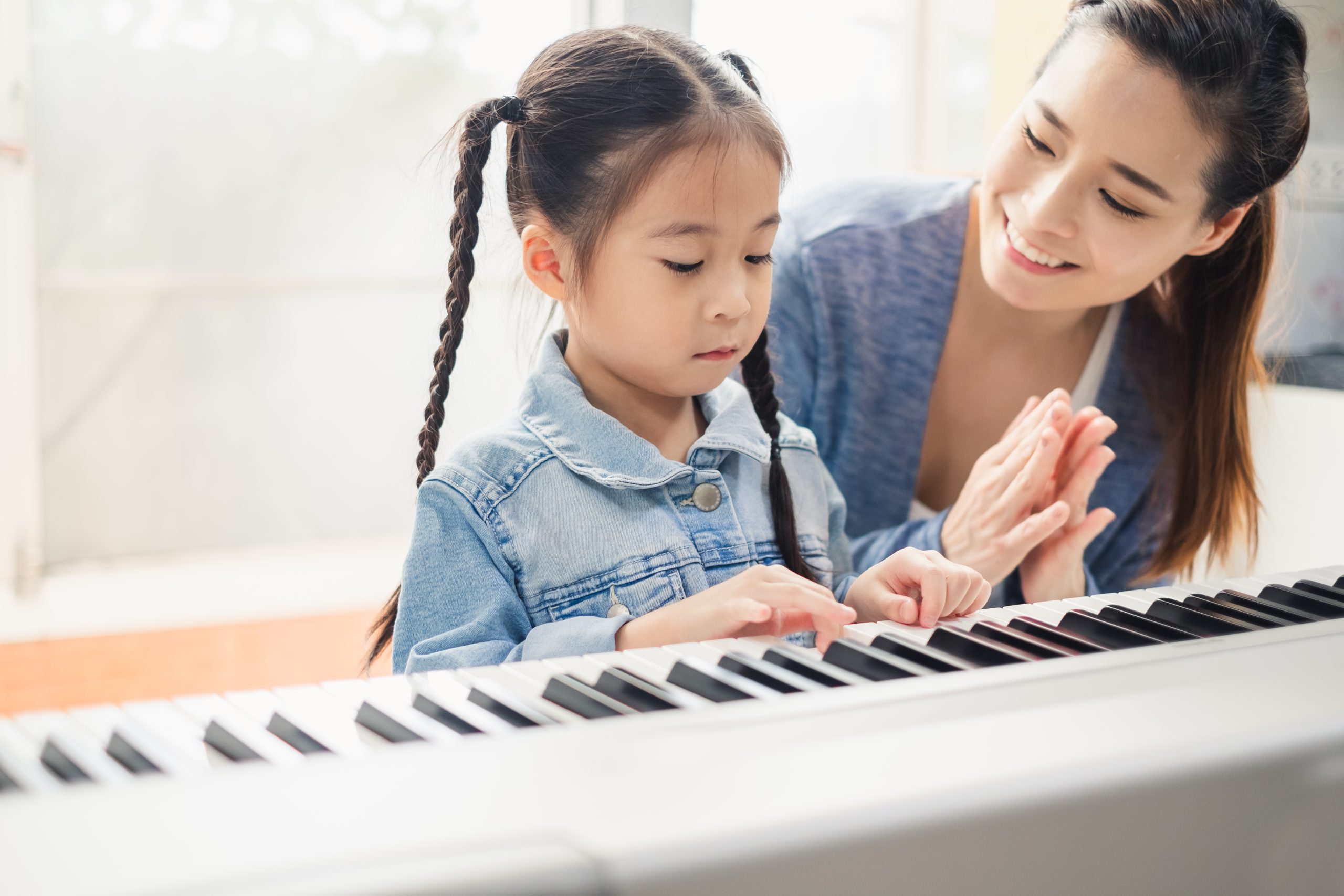
A teacher's training and performance background matter, but they are only the starting point. What actually keeps a child excited about lessons week after week is whether they feel seen by their teacher. Does the teacher get down to the child's level, literally and musically? Do they notice what lights the child up and build from there? A warm, attentive presence often matters more than an impressive resume.
Notice how they communicate with you
A great teacher treats you as a partner, not a bystander. They should be easy to reach, quick to update you on how lessons are going, and honest when something is not working. If you find yourself unsure what your child is working on or how to support practice at home, that is worth paying attention to.
Find a rhythm that fits your family's life
The best teacher on paper is not the right teacher if the schedule creates constant stress. Consider how lessons fit around school, siblings, and your own week. For many of our families, in home lessons in Manhattan make this much easier, since there is no commute and no lost evening sitting in traffic between activities.
Know the signs it may be time for a change
Sometimes the question is not who to choose but whether to switch. A few honest signs worth noticing: your child dreads lessons more weeks than not, progress has quietly stalled for months, or the teacher rarely offers feedback beyond correcting notes. None of these mean anything is wrong with your child. They usually mean the fit is off, and a different teacher may bring the spark back.
Consider what the instrument itself calls for
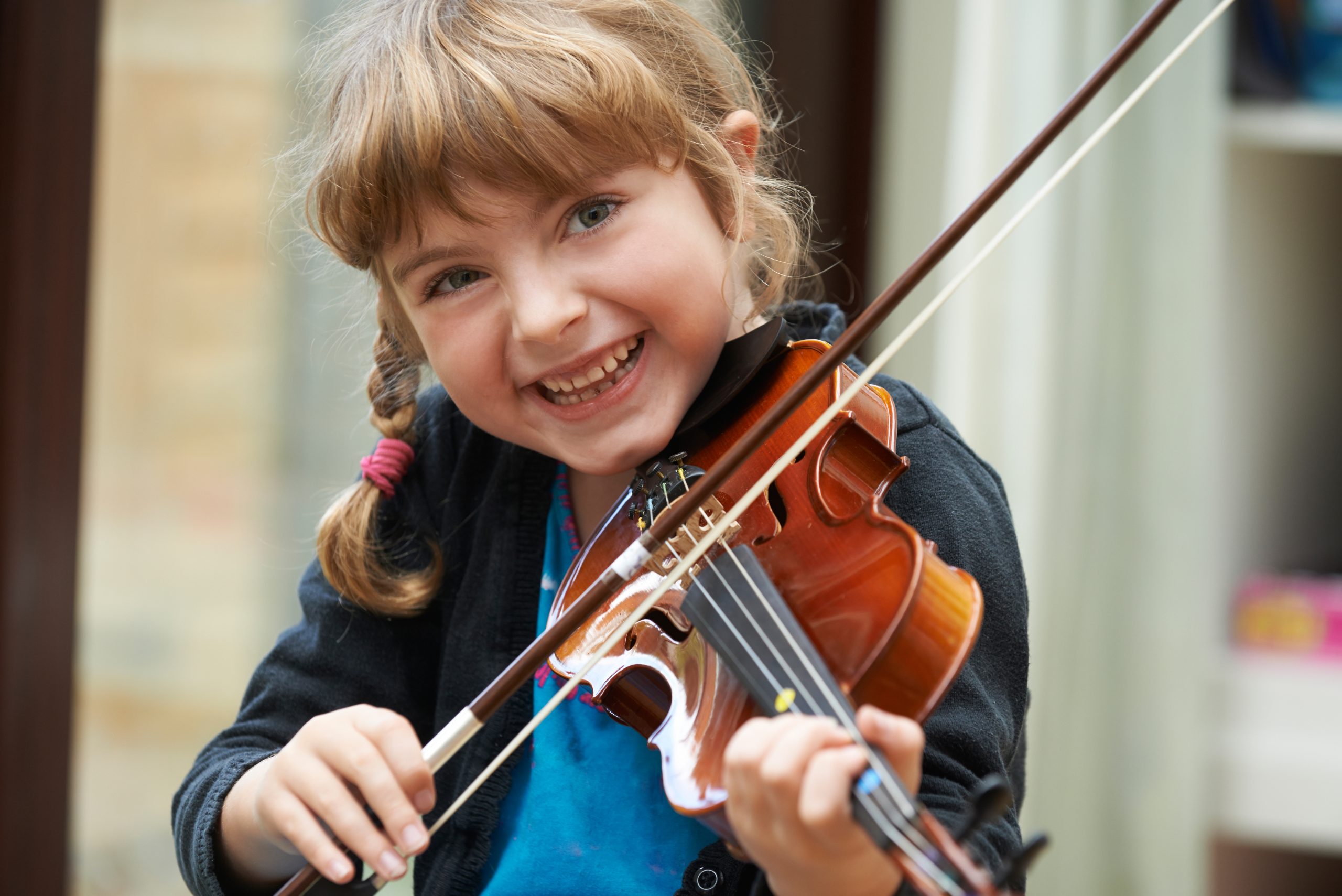
Good teaching looks a little different by instrument. A strong piano teacher for a young beginner often leans on games and physical habits before reading music. A strong violin or cello teacher spends real time on posture and bow hold, since those early habits are hard to unlearn later. A voice teacher works gently with a still developing instrument, the child's own body. When you are comparing teachers, ask how they would approach the first few months on this specific instrument, not lessons in general.
Why This Matters
None of this is about lowering the bar. Our students go on to pass rigorous exams, perform at real recitals, and in some cases, get accepted into competitive music schools. But we've found, again and again, that the students who get there happily, the ones who still love the piano at sixteen the way they loved it at six, are the ones whose early lessons felt like play.
That's what we're building toward with every game, every flashcard, every silly rhythm exercise. Not just a technically skilled musician, but one who never stopped enjoying the process.
Curious what a first lesson with us actually looks like? Reach out at info@willanacademy.com or visit willanacademy.com.